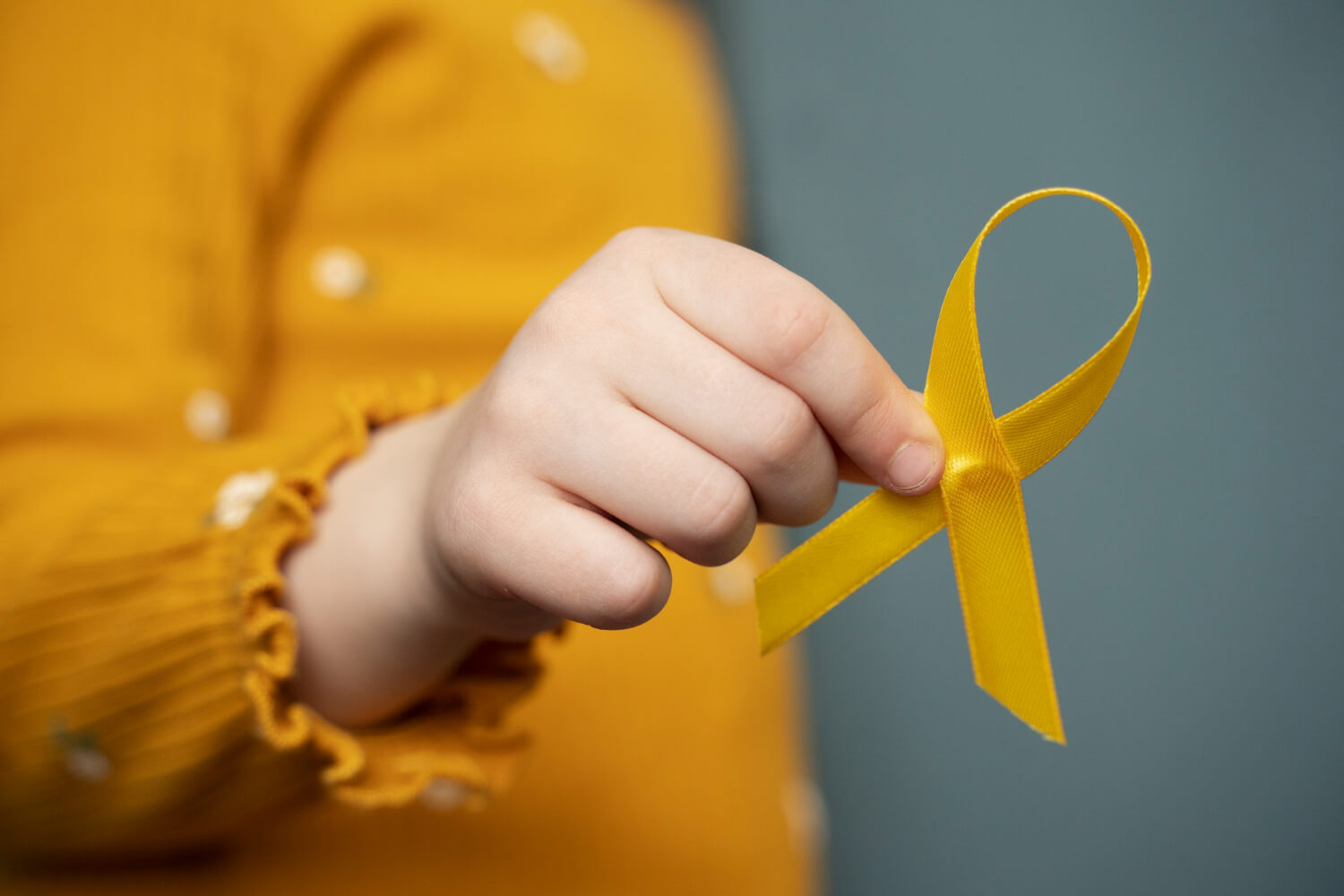
Affinity Health, a leading provider of high-quality health cover, says World Osteoporosis Day (20 October) is an important reminder that bones can become weak without causing any early pain or obvious symptoms.
Osteoporosis is a condition that causes bones to lose strength and break more easily. It is often called a “silent disease” because many people only discover that they have it after breaking a bone.
“There is a common perception that osteoporosis only affects elderly women, but it is widely recognised that men and younger adults can also develop the condition,” says Murray Hewlett, CEO of Affinity Health.
“We encourage people to learn about their risk factors and to speak to a healthcare professional early, as this may help reduce the chances of a serious fracture.”
What Happens to Your Bones?
Bones are living tissue. Throughout life, the body removes old bone and replaces it with new bone.
When you are young, the body normally builds bone faster than it loses it. As you get older, this process slows down. Osteoporosis develops when the body loses more bone than it can replace.
Some people first develop osteopenia, which means their bone density is lower than normal but not yet low enough to be diagnosed as osteoporosis. Osteopenia does not always become osteoporosis, but it is a sign that bone health could need closer medical monitoring and attention.
Warning Signs to Look Out For
Osteoporosis usually has no early warning signs. However, certain changes can suggest that bones have already weakened:
- A broken bone after a small fall can be a sign of weak bones.
- Losing 4cm or more in height could be caused by small spinal fractures.
- A curved or stooped back sometimes develops when weakened spinal bones become compressed.
- Sudden back pain may be caused by a spinal fracture after bending, lifting, coughing, or sneezing.
- Breaking bones more than once after minor injuries should be checked by a healthcare professional.
- Spinal damage can make it difficult to stand upright, move comfortably, or complete everyday tasks.
Osteoporosis-related fractures most often affect the hips, wrists, and spine. These injuries can cause ongoing pain, difficulty walking, and loss of independence. A broken bone after a minor fall should not simply be dismissed as bad luck.
Who Is Most at Risk?
Osteoporosis can affect anyone, but the risk increases with age. Women are more at risk after menopause because falling oestrogen levels can accelerate bone loss. Men could also develop osteoporosis, particularly if they have low testosterone levels.
You could be at risk if you:
- Have a parent who had osteoporosis or broke a hip.
- Have gone through menopause before the age of 45.
- Have had your ovaries removed.
- Have a small body frame or are underweight.
- Have previously broken a bone after a minor fall.
- Do very little physical activity.
- Smoke or drink too much alcohol.
- Do not get enough calcium, protein, or vitamin D.
- Have had an eating disorder.
- Spend very little time outdoors.
- Have a condition that prevents the body from absorbing nutrients properly.
- Have spent a long time in bed because of illness or injury.
Certain medical conditions can increase the risk of osteoporosis. These include rheumatoid arthritis, coeliac disease, Crohn’s disease, an overactive thyroid gland, and some kidney, liver, and hormone-related conditions.
In some cases, some medicines could weaken bones. These include steroids taken for a long time, certain epilepsy medicines, and some treatments for breast or prostate cancer. Long-term steroid use is widely recognised as an important risk factor for osteoporosis.
How Is Osteoporosis Diagnosed?
A healthcare professional could ask about your age, diet, lifestyle, medical conditions, medicines, family history, and any previous broken bones.
You may be referred for a bone density scan, also called a DXA or DEXA scan. This is a short and painless test that uses low-dose X-rays to measure bone mineral density, usually at the hip and spine.
Blood tests may also be recommended to check vitamin D levels or look for a health condition that could be causing bone loss.
Simple Ways to Protect Your Bones
Stay active to help keep your bones and muscles strong. Walking, climbing stairs, dancing, and using light weights are good choices. Exercises that improve your balance can also help prevent falls.
Eat foods that provide calcium, protein, and vitamin D. Good choices include milk, maas, yoghurt, cheese, eggs, beans, lentils, tinned fish with edible bones, and green vegetables.
Do not smoke, limit alcohol, and remove anything you could trip over at home. Have your eyesight checked if you often trip, feel unsteady, or have trouble seeing objects in your way.
Conclusion
Osteoporosis can develop quietly, but a fracture may have a lasting effect on your health and independence. Do not ignore unexplained height loss, a curved back, ongoing back pain, or a broken bone after a minor fall. Early medical advice can help identify weak bones and reduce the risk of another fracture. Affinity Health can help members seek advice about osteoporosis warning signs and risk factors through 24/7 telephonic medical consultations and managed GP visits available on its Day-to-Day and Combined Plans.
About Affinity Health
Affinity Health is South Africa’s leading health cover provider, offering you a range of options at affordable rates, including access to the widest national provider network. We understand the importance of having medical insurance that meets your needs, budget, and lifestyle. Our healthcare products are designed to protect you and your family when it matters the most. We strive to give our members peace of mind and the highest standard of service. For more information, follow us on Facebook, Instagram and X.