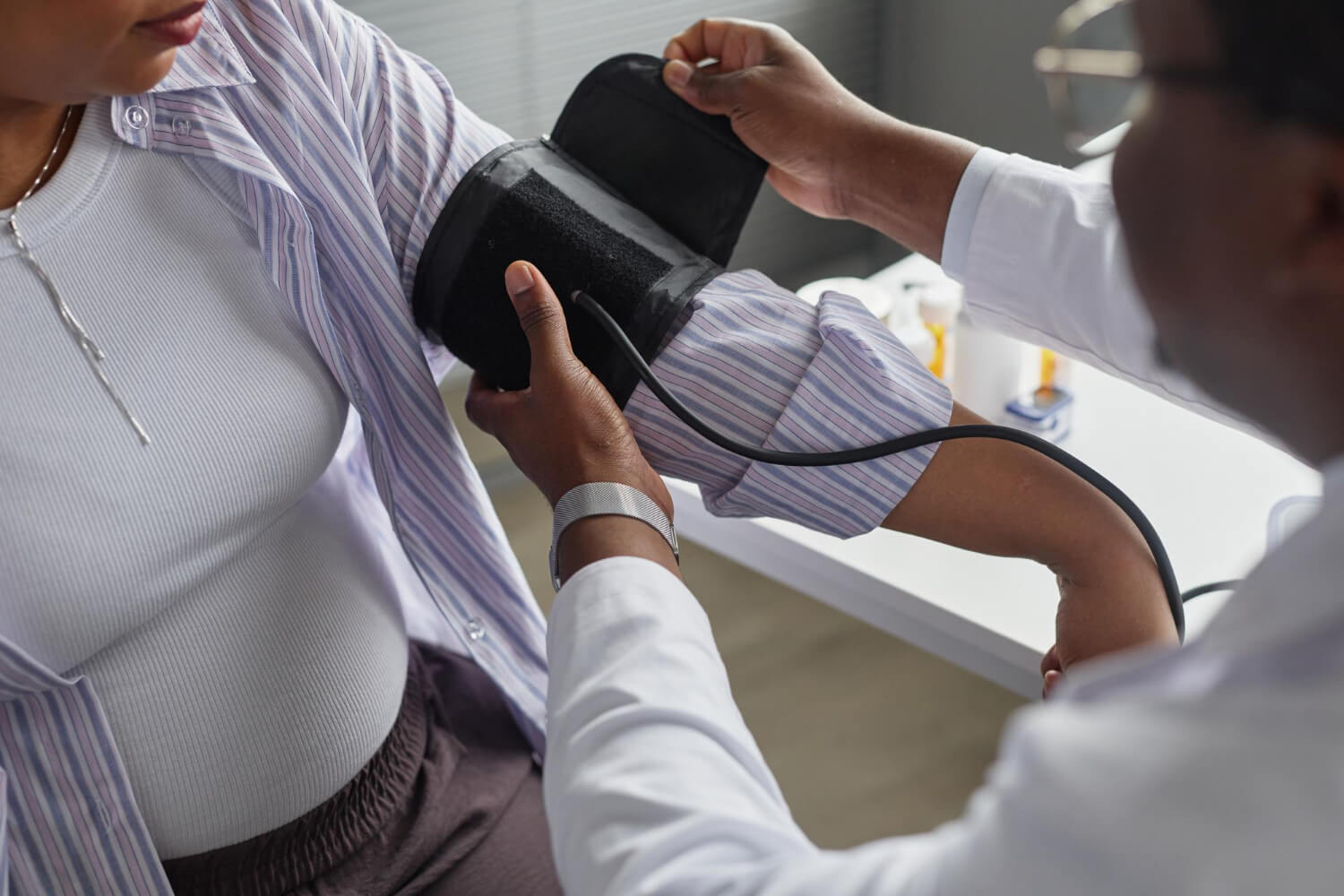
Affinity Health, a leading provider of high-quality health cover, is highlighting the vital role exercise plays in protecting and strengthening bone health on World Osteoporosis Day (20 October).
Osteoporosis, often called the “silent disease”, weakens bones and increases the risk of fractures. According to the International Osteoporosis Foundation (IOF), worldwide, around one in three women and one in five men over the age of 50 will experience an osteoporotic (fragility) fracture during their lifetime.
“Osteoporosis often develops without symptoms until a serious fracture occurs, which can be life-changing,” says Murray Hewlett, CEO of Affinity Health.
“The good news is that exercise is one of the most effective tools we have to build stronger bones, improve balance, and reduce the risk of falls. By moving a part of your daily routine, you can actively protect your bone health at any age.”
Understanding Bone Density
Bone density refers to the strength and thickness of bones. As we age, bone mass naturally declines, especially in women after menopause due to reduced oestrogen levels. Low bone density makes bones brittle and more likely to fracture from minor falls or even everyday activities.
Lifestyle factors such as poor diet, smoking, inactivity, and excessive alcohol use can speed up bone loss. That’s why building bone-friendly habits, including regular exercise, is essential.
Why Exercise Matters for Bones
Just like muscles, bones adapt and grow stronger when they are put to work. Exercise stimulates bone-building cells, improves circulation, and strengthens the muscles that support and protect bones. It also enhances balance and coordination, which helps prevent falls, the leading cause of fractures in people with osteoporosis.
The Best Exercises for Bone Health
Not all exercise has the same effect on bones. The most effective types include:
- Weight-bearing exercises: Exercises like walking, jogging, hiking, dancing, and tennis place healthy stress on bones, stimulating growth.
- Resistance training: Using weights, resistance bands, or bodyweight moves such as squats and push-ups strengthens both muscles and bones.
- Balance and flexibility training: Yoga, Pilates, or tai chi improve stability and reduce fall risk.
- Low-impact options: Swimming and cycling are excellent for maintaining fitness and joint health, although they do not directly contribute to building bone density.
Tips for Building Stronger Bones
- Start early but never too late: Bone strength built in youth provides lifelong benefits, but exercise at any age improves bone health.
- Be consistent: Aim for at least 30 minutes of weight-bearing or resistance exercise on most days.
- Mix it up: Combine strength, balance, and weight-bearing activities for maximum protection.
- Seek guidance: Individuals with osteoporosis or other medical conditions should consult a healthcare professional before starting a new exercise routine.
Stronger Bones, Healthier You
Exercise is just one piece of the puzzle. A balanced lifestyle also plays a vital role in bone health:
- Nutrition: Eat calcium-rich foods (dairy, leafy greens, or fortified plant-based alternatives) and ensure adequate vitamin D intake through diet, supplements, or safe sun exposure.
- Avoid harmful habits: Smoking and excessive alcohol use weaken bones and should be avoided.
- Maintain a healthy weight: Being underweight increases the risk of fractures, while excess weight puts strain on bones and joints.
- Stay flexible and steady: Good posture, stretching, and balance exercises reduce fall risk, especially for older adults.
- Screen regularly: Bone density scans help detect early bone loss, allowing for timely medical intervention. Screening is particularly important for post-menopausal women and older adults.
Final Thoughts
World Osteoporosis Day is a reminder that bone health isn’t only a concern for the elderly; it’s something everyone should prioritise. Taking small, consistent steps, such as exercising regularly, eating a balanced diet, and getting regular health checks, can help prevent osteoporosis and reduce the risk of fractures later in life. Affinity Health makes proactive care accessible with affordable, structured cover that includes 24/7 telehealth GP consultations, unlimited managed visits to a Medical Society, diagnostic screenings, specialist consultations, and access to a nationwide network of healthcare providers.
“As a society, we often take our bones for granted until a fracture occurs,” concludes Murray Hewlett.
“By focusing on prevention through exercise, nutrition, and regular check-ups, we can all build stronger bones and enjoy healthier, more active lives well into the future.”
About Affinity Health
Affinity Health is South Africa’s leading health cover provider, offering you a range of options at affordable rates, including access to the widest national provider network. We understand the importance of having medical insurance that meets your needs, budget, and lifestyle. Our healthcare products are designed to protect you and your family when it matters the most. We strive to give our clients peace of mind and the highest standard of service. For more information, follow us on Facebook, Twitter, and Instagram.